
Back to home
Platelet-rich plasma
PRP preparation, goals, and alternatives
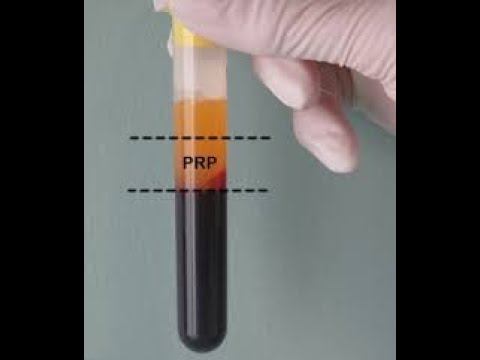
PRP is prepared from a patient’s own blood and contains a higher concentration of platelets than the starting blood sample. The evidence varies with the diagnosis and the preparation used.
Request a consultation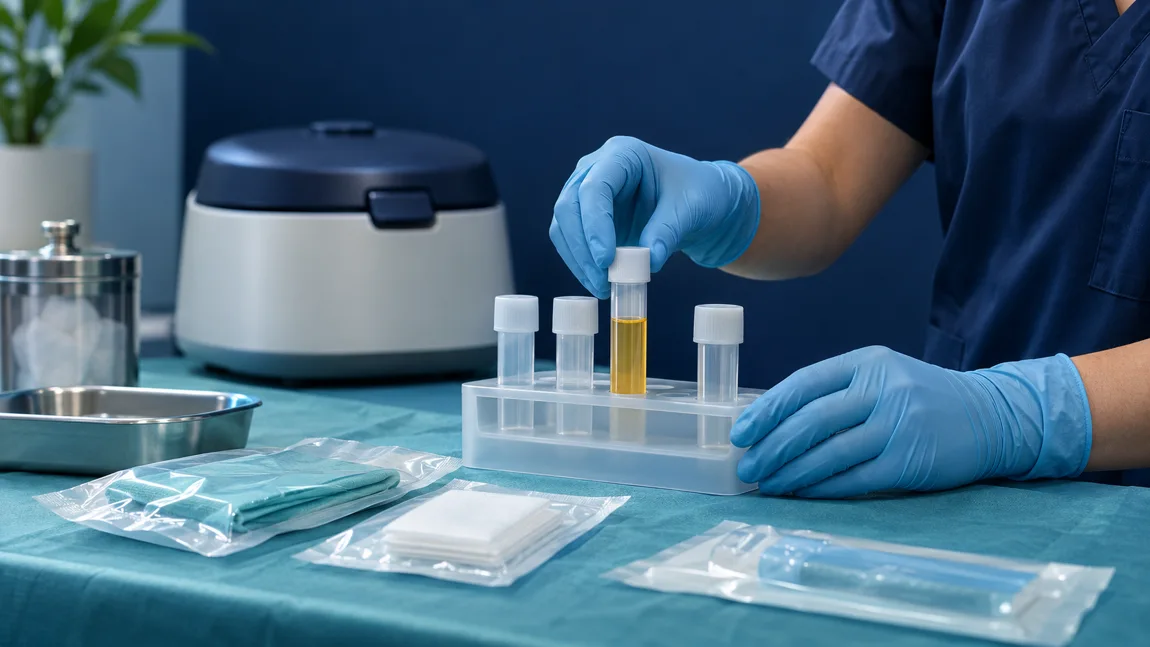
Videos with Dr. Davide Ranaldo
Instagram profileWhat to discuss at your visit
The consultation starts with your diagnosis, test results, and previous treatments. You can discuss expected benefits, risks, costs, and alternatives, including rehabilitation and surgery when indicated.
Do these treatments regrow cartilage?
Cartilage restoration with these injections has not been demonstrated for hip or knee osteoarthritis. AAHKS does not recommend routine use of PRP, BMAC, or mesenchymal cells for advanced hip or knee osteoarthritis.
Read the AAHKS position statementHow PRP is given
After assessment, a blood sample is collected, PRP is prepared using a system authorized for its intended use under the clinic’s protocol, and the target area is injected. Outpatient PRP generally does not require sedation. Local anesthesia and imaging guidance depend on the site and protocol.
PRP in sports medicine
In my practice, I consider PRP in competitive athletes with patellar tendinopathy (jumper’s knee), Achilles injuries or tendinopathy, tennis leg (calf injury), tennis elbow, and rotator cuff disorders, as well as knee osteoarthritis. Evidence varies by diagnosis. Progressive loading and rehabilitation remain central. A suspected acute rupture needs a separate assessment.
My PRP experience
I began studying PRP in university animal-model research in 2008 and performed my first clinical PRP treatment in 2015. According to my practice records, more than 3,000 patients have since chosen PRP when indicated.
After the procedure
Once weight bearing is cleared, patients can usually walk without aids. Follow the relative rest instructions for three days and avoid strenuous activity. Advice depends on the treated area, injury, and sedation. Agree on return to sport with the team.
Part of a treatment plan
Nutrition, adapted physical activity, and rehabilitation when appropriate support the treatment plan. Supplements depend on individual needs. These injections have not been shown to restore cartilage and are not routine treatments for advanced osteoarthritis.
Knee osteoarthritis: Kellgren–Lawrence X-ray grades
- 0 · No radiographic signs
- 1 · Doubtful changes; possible small osteophytes
- 2 · Definite osteophytes; possible joint-space narrowing
- 3 · Definite narrowing, multiple osteophytes, possible deformity
- 4 · Marked narrowing, large osteophytes, sclerosis and deformity
For knee osteoarthritis, the ESSKA–ICRS consensus considers PRP appropriate in some KL 0–III scenarios after conservative treatment has failed. Grade 0 alone does not establish osteoarthritis. Grade IV is not a PRP indication under the consensus. These criteria do not automatically apply to BMAC or adipose preparations.
Scientific references
My experience in numbers
3,000+
PRP patients to date
Practice milestones
- University preclinical research
- First clinical PRP treatment
Reported favorable outcomes
Estimates from Dr. Ranaldo’s own practice. Outcome criteria, number evaluated, and follow-up duration remain to be documented. These figures are descriptive and do not establish comparative effectiveness.
Contact and location
Medical DNA · Via Santuario 73, Abano Terme (Padua), Italy
Contact the office · +39 375 525 1550